
By type of garage
Roller garage doors for period and conservation homes
Period and conservation homes are older houses, or homes in designated conservation areas, where the look of the street is protected to some degree. A roller garage door can work well on them because the box hides behind the lintel and nothing projects when the door is open. Permission comes first, though, because Article 4 directions and listed building consent can both apply.
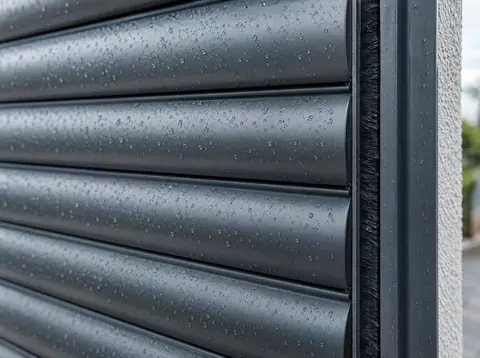
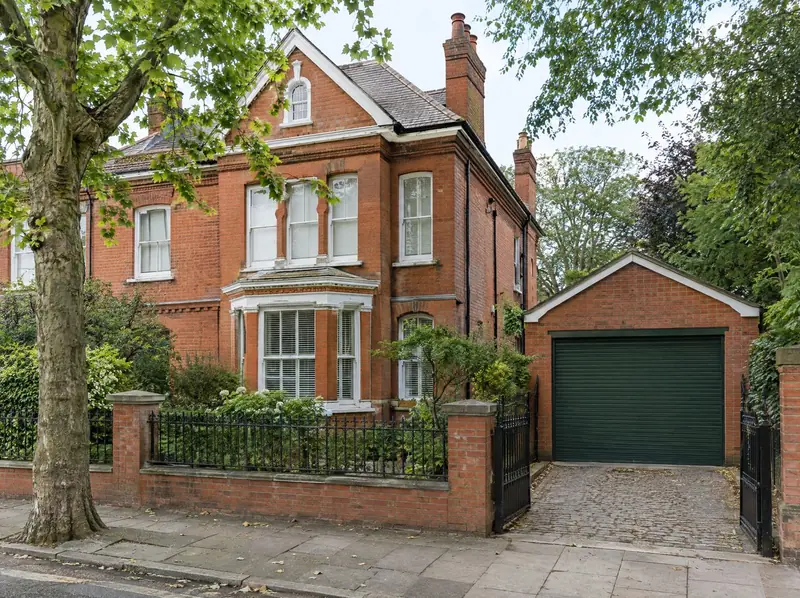 Computer-generated image
Can I fit a roller garage door on a period home or in a conservation area?
Often you can, but check whether you need permission before ordering. In a conservation area, an Article 4 direction can mean that changing a door on the front of a house needs planning permission, and if the building is listed, works that affect its character usually need listed building consent.
The local planning authority, and its conservation officer, can tell you what applies to your home. We'll provide the product details, colour reference, lath profile and box position for any application, and we won't place your order with the manufacturer until you're ready. Our planning and building regulations guide explains the general rules.
What is an Article 4 direction and does it affect a garage door?
An Article 4 direction is a decision by a local planning authority to remove certain permitted development rights in a defined area, often a conservation area. Where one applies, alterations that would normally be allowed without an application, such as replacing doors or windows on the front of a house, may need planning permission.
Whether a garage door is covered depends on the wording of the direction and where the garage sits. Ask the planning authority before you order, and keep their answer in writing. If permission is needed, the decision may also guide the colour and style you can choose.
Do I need listed building consent for a new garage door?
If your home is listed, or the garage is a building within its curtilage, you'll usually need listed building consent for works that affect its character, and replacing a garage door can fall into that. Carrying out such works without consent can be a criminal offence, so it's not something to sort out after fitting.
Speak to the conservation officer early. They may prefer a particular style or finish, or a different type of door altogether. If a roller door isn't acceptable for your building, we'll tell you plainly rather than push one.
Which colours and finishes suit a period property?
Quieter, traditional colours usually sit best on a period property, chosen from the manufacturer's RAL range or a woodgrain foil. Deep greens, greys, blues and off-whites tend to suit older brick and stone, and matching an existing joinery colour can make the door less noticeable.
A RAL colour or woodgrain finish is £95–£245 inc VAT on a new door, and colours outside the manufacturer's range are priced on survey. Fitting the box behind the lintel keeps it out of sight, while a face-fixed box is visible from the street and may be less acceptable. Our colours and finishes guide has more detail.
What practical issues come up with older garage openings?
Older openings are often less regular than modern ones, so the survey matters more. Arched heads, timber lintels, soft brick or lime mortar, out-of-square reveals and uneven floors all affect how a roller door is fitted.
A roller door closes a rectangular opening and needs solid fixings for the box and guides, so an arched head needs careful planning. If the lintel needs replacing, the reveals need building out or the floor needs levelling, that work is priced on survey and listed in your quote. Removing an old roller or up-and-over door is included in our door prices; removing other types, such as side-hinged timber doors, is priced on survey.
Questions
Will the council approve a roller garage door?
We can't say in advance, because each planning authority decides for itself and the answer depends on your building and its setting. Ask the planning authority or conservation officer before ordering. We'll supply the door details for your application and won't place the order with the manufacturer until you confirm you have any permission you need.
Can a roller door look like a traditional timber door?
Not exactly. A woodgrain foil gives the laths a timber-effect finish, but the door is still made of horizontal laths and won't look like a boarded, side-hinged timber door. On some period homes that's acceptable, and on others the conservation officer may prefer a different door. Look at samples and photographs of the finish together before deciding.
Can you keep the roller box out of sight?
In most cases, yes. Fitting the box behind the lintel, which is the usual position, keeps it hidden inside the garage so only the curtain and guides show from outside. That needs enough headroom above the opening, commonly around 205 to 300 mm or more depending on the door. If there isn't room, the alternatives are a box under the lintel or a face-fixed box, which is visible.
Doors and services that suit
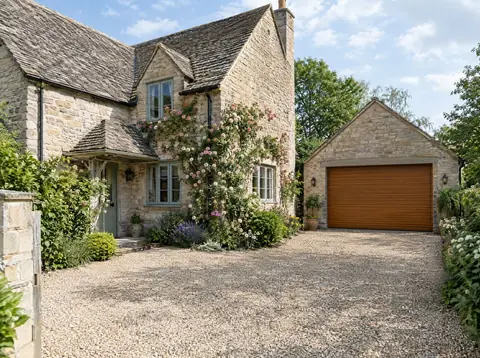 Coloured and woodgrain roller garage doors
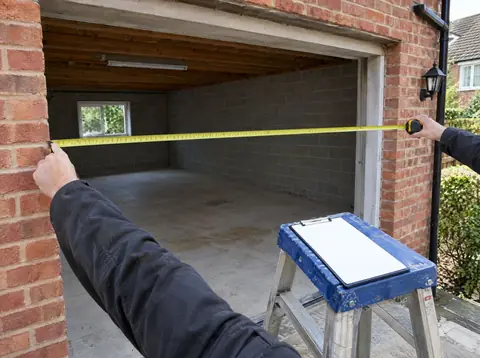 Made-to-measure roller garage doors
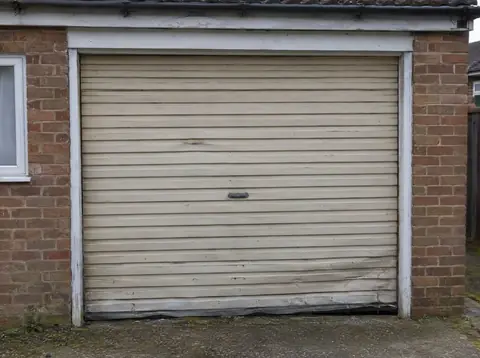 Roller garage door replacement
 Insulated roller garage doors
Last reviewed 25 October 2026
Want a price for your garage?
Four questions, a guide price straight away.